

The secret to unlocking your ride lies not just in the bike you choose, but in how well it fits you. Achieving the perfect bike fit is essential for maximizing both comfort and performance, allowing you to pedal with ease and efficiency. Whether you’re a seasoned cyclist or a weekend warrior, finding the right bike fitting near you can make all the difference in your adventures on two wheels.
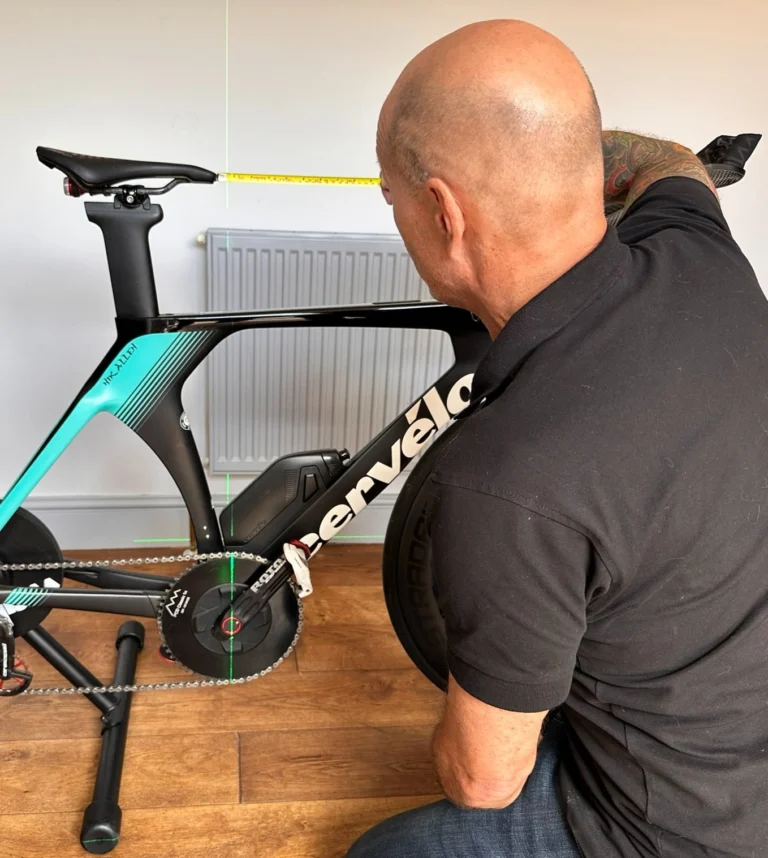
Imagine conquering long rides without discomfort, reducing the risk of injuries, and enhancing your overall enjoyment of cycling. In this guide, we’ll explore what to look for when seeking the ultimate bike fitting, the benefits it brings to your ride, and how you can find professional fitters in your local area. Get ready to transform your cycling experience—your perfect fit is just around the corner!
Understanding the Importance of Bike Fitting
Bike fitting is not just a luxury for professional cyclists; it is a crucial aspect for anyone who spends a significant amount of time on a bike. The importance of bike fitting cannot be overstated, as it directly influences your comfort, efficiency, and overall performance. A well-fitted bike can prevent aches and pains that are common among cyclists, such as knee pain, back pain, and hand numbness. When your bike is fitted correctly, every pedal stroke becomes more efficient, allowing you to ride longer distances with less fatigue.
The process of bike fitting takes into account your unique body mechanics, flexibility, and riding style. This personalized approach ensures that your bike setup complements your physical attributes, rather than working against them. As a result, you can maintain a more aerodynamic and comfortable position, which is vital for both casual rides and competitive racing. By understanding the importance of bike fitting, you can make informed decisions that enhance your cycling experience and keep you on the road longer.
Moreover, bike fitting is a preventative measure that can save you from potential injuries. Improper bike fit can lead to repetitive strain injuries, which can sideline you for weeks or even months. By investing in a professional bike fitting, you are taking a proactive step towards safeguarding your health and ensuring that you can continue to enjoy cycling without interruption. Ultimately, understanding the importance of bike fitting empowers you to make choices that improve your ride and contribute to your overall well-being.
Find out more about our bike fitting service here.
Benefits of a Professional Bike Fit
A professional bike fit offers numerous benefits that go beyond just comfort. One of the primary advantages is the enhancement of overall performance. When your bike is adjusted to fit your body perfectly, you can pedal more efficiently, translating to better speed and endurance. This is especially important for competitive cyclists who are looking to shave seconds off their time or increase their mileage. A professional bike fit can make a significant difference in your performance metrics, allowing you to achieve your cycling goals with greater ease.
Another key benefit of a professional bike fit is injury prevention. Many common cycling injuries, such as knee pain, lower back pain, and wrist numbness, can be attributed to an improper bike fit. A professional fitter can identify and correct these issues before they become problematic. By addressing alignment and posture, a bike fit can reduce the stress on your joints and muscles, thereby minimizing the risk of overuse injuries. This proactive approach to injury prevention ensures that you can enjoy consistent, pain-free rides.
In addition to performance and injury prevention, a professional bike fit enhances overall comfort. Cycling should be an enjoyable activity, and discomfort can quickly diminish that enjoyment. A professional fitter will adjust your bike to accommodate your specific needs, taking into account factors such as saddle height, handlebar position, and cleat alignment. These adjustments can alleviate pressure points and improve your riding posture, making your rides more comfortable and enjoyable. Ultimately, investing in a professional bike fit is an investment in your cycling experience, delivering benefits that enhance both your performance and your enjoyment of the sport.

Common Misconceptions About Bike Fitting
Despite its importance, there are several common misconceptions about bike fitting that can deter cyclists from seeking professional services. One of the most prevalent misconceptions is that bike fitting is only necessary for professional or competitive cyclists. In reality, cyclists of all levels can benefit from a proper bike fit. Whether you are a casual rider, a commuter, or a weekend warrior, a bike fit can improve your comfort, efficiency, and overall enjoyment of cycling. Dismissing bike fitting as something only for the pros can result in missed opportunities to enhance your ride.
Another common misconception is that bike fitting is a one-time event. While an initial fitting is crucial, it is important to remember that bike fitting is an ongoing process. As your body changes over time due to factors such as fitness improvements, injuries, or aging, your bike fit may need to be adjusted accordingly. Regular check-ins with a professional fitter can ensure that your bike setup continues to meet your needs and provides optimal performance and comfort. Understanding that bike fitting is an evolving process can help you stay attuned to your body’s needs and make necessary adjustments when needed.
Many cyclists also believe that they can achieve a perfect fit through trial and error on their own. While there are certainly adjustments that can be made without professional assistance, a comprehensive bike fit involves a detailed understanding of biomechanics and cycling dynamics. Professional fitters have the expertise, tools, and technology to analyze your riding position and make precise adjustments that are difficult to achieve on your own. Relying solely on self-adjustments can lead to suboptimal results and potentially exacerbate discomfort or injury. Recognizing the value of professional expertise can help you make informed decisions about your bike fit.
How to Choose a Bike Fitting Service Near You
Finding the right bike fitting service near you is a crucial step in achieving the perfect fit. The first factor to consider is the experience and credentials of the fitter. Look for fitters who have undergone specialized training and certification in bike fitting. Organizations such as the International Bike Fitting Institute (IBFI) and the Serotta International Cycling Institute (SICI) offer certification programs that ensure a high standard of expertise. Additionally, consider the fitter’s experience working with cyclists of various levels and disciplines, as this can provide valuable insights into their ability to address your specific needs.
Another important consideration is the type of fitting services offered. Different fitters may use different methodologies and tools, ranging from basic adjustments to advanced motion capture technology. It is important to understand the range of services available and choose a fitter whose approach aligns with your needs and preferences. For example, if you are experiencing specific discomfort or performance issues, you may benefit from a detailed analysis that includes video motion capture and pressure mapping. Understanding the scope of services offered can help you select a fitter who can provide the level of detail and precision you require.
Location and convenience are also important factors to consider when choosing a bike fitting service. Look for fitters who are easily accessible and offer flexible scheduling options. Additionally, consider the overall cost of the fitting service and any follow-up appointments that may be necessary. While cost should not be the sole determining factor, it is important to find a service that fits within your budget. Reading reviews and seeking recommendations from fellow cyclists can also provide valuable insights into the quality and reputation of a fitter. Taking the time to research and choose the right bike fitting service can ensure a positive experience and optimal results.
What to Expect During a Bike Fitting Session
Next, the fitter will conduct a physical assessment to evaluate your body mechanics, flexibility, and range of motion. This assessment may include measurements of your inseam, arm length, and torso length, as well as an evaluation of your posture and alignment. The fitter will also observe your pedaling technique and analyze your riding position on a stationary bike or trainer. This step is essential for identifying any biomechanical issues that may affect your fit and performance. The physical assessment provides valuable data that informs the subsequent adjustments.
Once the physical assessment is complete, the fitter will begin making adjustments to your bike. This may include changes to the saddle height and position, handlebar height and reach, and cleat alignment. The fitter will make incremental adjustments and ask for your feedback to ensure that each change contributes to a more comfortable and efficient riding position. In some cases, the fitter may also recommend specific equipment changes, such as a different saddle or handlebar, to further enhance your fit. The fitting session concludes with a final assessment to ensure that all adjustments have been made correctly and that you are satisfied with the fit. Overall, a bike fitting session is a collaborative process that combines expert analysis with your input to achieve the perfect fit.
Find out more about our bike fitting services
Key Metrics and Measurements in Bike Fitting
During a bike fitting session, several key metrics and measurements are taken to ensure that your bike is adjusted to fit your body perfectly. One of the most important measurements is the saddle height, which affects your pedaling efficiency and overall comfort. The saddle height is typically measured from the center of the bottom bracket to the top of the saddle, with adjustments made to ensure that your leg is nearly fully extended at the bottom of the pedal stroke. Proper saddle height can prevent knee pain and improve power transfer, making it a critical aspect of bike fitting.
Another key measurement is the saddle fore-aft position, which determines the horizontal position of the saddle relative to the bottom bracket. This measurement affects your balance and weight distribution on the bike, as well as your ability to generate power. The fore-aft position is typically adjusted to ensure that your knee is aligned with the pedal axle when the cranks are horizontal. Proper fore-aft positioning can alleviate pressure on the knees and improve overall stability and control.
Handlebar position is another crucial metric in bike fitting. This includes the height, reach, and width of the handlebars, all of which influence your riding posture and upper body comfort. The handlebar height is typically adjusted to achieve a balance between aerodynamic efficiency and comfort, while the reach is adjusted to ensure that you can comfortably reach the brake levers and shifters. Handlebar width is selected based on your shoulder width to provide optimal control and comfort. Proper handlebar positioning can reduce strain on the neck, shoulders, and wrists, making it an essential component of a well-fitted bike.
Types of Bike Fitting Services Available
Bike fitting services come in various forms, each offering different levels of detail and customization to suit the needs of different cyclists. One common type of bike fitting service is the basic fit, which involves adjustments to key components such as saddle height, saddle position, and handlebar position. Basic fits are typically suitable for beginner cyclists or those who are looking for a quick and affordable way to improve their comfort and performance. While basic fits may not provide the same level of precision as more advanced services, they can still offer significant benefits for many riders.
Another type of bike fitting service is the comprehensive fit, which includes a more detailed analysis of your biomechanics and riding position. Comprehensive fits often involve the use of advanced tools and technology, such as motion capture systems, pressure mapping, and dynamic fitting bikes. These tools allow the fitter to capture real-time data on your pedaling mechanics and make precise adjustments to your bike. Comprehensive fits are ideal for competitive cyclists or those with specific performance goals or injury concerns. The level of detail provided by a comprehensive fit can result in a highly customized and optimized bike setup.
In addition to basic and comprehensive fits, some fitters offer specialty fitting services for specific types of bikes or riding styles. For example, triathlon bike fitting focuses on achieving an aerodynamic and comfortable position for long-distance time trials, while mountain bike fitting emphasizes stability and control on technical terrain. Specialty fits may also cater to cyclists with specific needs, such as those recovering from injuries or those with unique body mechanics. Understanding the different types of bike fitting services available can help you choose the right fit for your needs and preferences.
DIY Bike Fitting Tips for Beginners
While professional bike fitting services offer the most accurate and comprehensive adjustments, there are several DIY tips that beginners can use to improve their bike fit on their own. One of the simplest and most effective adjustments you can make is to your saddle height. To find an approximate saddle height, stand next to your bike and lift your leg over the saddle. Your leg should be nearly fully extended when the pedal is at the bottom of the stroke, with a slight bend in the knee. Adjust the saddle height as needed to achieve this position, and make small changes incrementally to avoid overcorrection.
Another important adjustment is the saddle fore-aft position. To check this, place your bike in a stationary position and sit on the saddle with your feet on the pedals. Rotate the cranks so that they are horizontal, and use a plumb line or a piece of string with a weight at the end to check the alignment of your knee with the pedal axle. Your knee should be directly over the pedal axle, or slightly behind it. Adjust the saddle fore-aft position as needed to achieve this alignment, making small changes and testing the position with a short ride.
Handlebar position is also crucial for comfort and control. Start by adjusting the handlebar height to find a balance between aerodynamics and comfort. A lower handlebar position can reduce wind resistance, but may cause strain on your back and neck if it is too low. Conversely, a higher handlebar position can improve comfort but may reduce aerodynamic efficiency. Adjust the handlebar reach to ensure that you can comfortably reach the brake levers and shifters, and select a handlebar width that matches your shoulder width. Regularly check and fine-tune these adjustments based on your riding experience and comfort.
The Role of Bike Fitting in Injury Prevention
Bike fitting plays a crucial role in preventing injuries that can result from improper bike setup and riding posture. One of the most common cycling injuries is knee pain, which is often caused by incorrect saddle height or fore-aft position. When the saddle is too high or too low, it can place excessive strain on the knee joint, leading to pain and potential injury. Similarly, an improper saddle fore-aft position can cause misalignment of the knee with the pedal axle, resulting in increased stress on the knee. A proper bike fitting ensures that your saddle height and position are optimized to reduce the risk of knee injuries.
Lower back pain is another common issue among cyclists, often resulting from poor bike fit and riding posture. An incorrectly positioned saddle or handlebars can cause you to adopt an awkward and strained posture, leading to discomfort and pain in the lower back. By adjusting the saddle and handlebar positions to suit your body mechanics, a bike fitting can help you maintain a more natural and comfortable posture while riding. This can alleviate pressure on the lower back and reduce the risk of pain and injury.
Hand numbness and wrist pain are also common issues that can be addressed through proper bike fitting. These problems often arise from excessive pressure on the hands and wrists, which can be caused by an improper handlebar position or incorrect reach. A bike fitting can help distribute your weight more evenly between the saddle and handlebars, reducing the pressure on your hands and wrists. Additionally, adjustments to the handlebar height and angle can help you maintain a more comfortable hand position, preventing numbness and pain. Overall, bike fitting is an essential component of injury prevention, allowing you to ride comfortably and safely.
Conclusion: Enhancing Your Cycling Experience Through Proper Fit
In conclusion, achieving the perfect bike fit is essential for unlocking the full potential of your cycling experience. A well-fitted bike can enhance your comfort, performance, and enjoyment, allowing you to ride longer and more efficiently. Whether you are a casual rider, a commuter, or a competitive cyclist, investing in a professional bike fitting can provide numerous benefits, including injury prevention and improved riding posture. Understanding the importance of bike fitting and taking the time to find the right fitting service near you can make a significant difference in your cycling journey.
By dispelling common misconceptions about bike fitting and recognizing the value of professional expertise, you can make informed decisions that contribute to a better ride. From the initial consultation to the final adjustments, the bike fitting process is a collaborative effort that combines expert analysis with your input to achieve the perfect fit. Whether you opt for a basic fit, a comprehensive fit, or a specialty fitting service, the goal is to create a bike setup that complements your unique body mechanics and riding style.
In addition to professional bike fitting services, there are also DIY tips that beginners can use to make basic adjustments on their own. These adjustments can provide a starting point for improving your bike fit and enhancing your comfort. However, for the most accurate and precise fit, professional fitting services offer the expertise and tools needed to achieve optimal results. Ultimately, the key to enhancing your cycling experience lies in finding the perfect fit, allowing you to unlock your ride and enjoy every moment on the bike