

Cycling through the picturesque landscapes of Chichester is a joy that no enthusiast should miss, but the experience can be significantly marred by an improper bike fit. Whether you’re a seasoned rider or just starting, finding the right fit can mean the difference between comfort and pain, enjoyment and frustration.
In this ultimate guide to bike fit, we’ll explore the fundamental aspects of fitting your bike to your body, ensuring that every ride feels just right. From saddle height to handlebar positioning, we’ll break down each component to help you find your perfect ride. Say goodbye to discomfort and hello to endless adventures as you glide through the charming streets and scenic routes of Chichester. Let’s dive in and discover how a tailored bike fit can transform your cycling experience and keep you pedaling in comfort and style.
Find out more about our bike fitting services here
Understanding the Importance of Bike Fit
Cycling is not merely about pedaling faster or covering more miles; it’s about ensuring that every ride is enjoyable and sustainable. The importance of bike fit cannot be overstated, as it directly influences your comfort, performance, and injury prevention. A well-fitted bike becomes an extension of your body, allowing you to ride longer distances without discomfort and strain. Conversely, an ill-fitted bike can lead to various issues, including muscle aches, joint pain, and even long-term injuries. Understanding the importance of bike fit is the first step towards a more fulfilling cycling experience.
Bike fitting is akin to tailoring a suit; it needs to conform to the unique dimensions and requirements of your body. Just as an off-the-rack suit might feel restrictive or loose in certain areas, a bike that isn’t fitted correctly can lead to inefficiencies and discomfort. This is particularly crucial for avid cyclists who spend numerous hours on their bikes. By prioritizing bike fit, you ensure that your body mechanics work harmoniously with your equipment, reducing the risk of repetitive strain injuries and improving overall efficiency.
Moreover, a proper bike fit enhances your riding performance. When your bike is set up to match your body, you can achieve a more aerodynamic position, which translates to better speed and endurance. This is especially important for competitive cyclists who seek to optimize every aspect of their ride. Whether you’re commuting through Chichester’s charming streets or embarking on long-distance routes, investing in a proper bike fit will undoubtedly elevate your cycling experience.
Common Bike Fit Issues and Their Impact on Performance
Despite the best intentions, many cyclists encounter common bike fit issues that can significantly impact their performance and enjoyment. One prevalent issue is an incorrect saddle height, which can lead to knee pain and reduced power output. If the saddle is too high, you might find yourself overreaching, causing strain on your lower back and hamstrings. Conversely, a saddle that’s too low can result in excessive knee flexion, leading to discomfort and potential injury over time.
Handlebar positioning is another critical factor that affects your comfort and control. Handlebars that are positioned too low or too far forward can cause neck, shoulder, and wrist pain. This improper positioning forces you to overextend your reach, leading to fatigue and discomfort during rides. On the other hand, handlebars that are too close or too high can compromise your aerodynamics, making it harder to maintain speed and efficiency. Achieving the right balance in handlebar height and reach is essential for a comfortable and effective riding posture.
Foot placement and cleat alignment also play a vital role in bike fit. Improper alignment of your cleats can cause issues such as hot spots, numbness in the feet, and even knee pain. Ensuring that your cleats are positioned correctly according to your natural foot alignment can prevent such problems and enhance your pedaling efficiency. Addressing these common bike fit issues can lead to a more enjoyable and pain-free cycling experience, allowing you to focus on the joy of riding through Chichester’s scenic routes.

Key Factors to Consider for a Proper Bike Fit
Achieving a proper bike fit involves considering several key factors that collectively contribute to your overall comfort and performance. One of the most critical elements is the saddle height, which affects your leg extension and pedaling efficiency. To determine the optimal saddle height, your knee should have a slight bend at the bottom of the pedal stroke. This ensures that you can generate maximum power without putting unnecessary strain on your joints. Fine-tuning the saddle height can make a significant difference in your riding experience.
Another essential factor is the saddle fore-aft position, which determines the distance between the saddle and the handlebars. A proper fore-aft position ensures that your weight is evenly distributed, reducing pressure on your hands and shoulders. To find the right position, you can use the knee-over-pedal-spindle (KOPS) method, where your forward knee should be directly over the pedal spindle when the pedals are horizontal. This alignment helps in maintaining a balanced posture and prevents discomfort during long rides.
Handlebar reach and drop are also crucial for a proper bike fit. The reach is the horizontal distance from the saddle to the handlebars, while the drop is the vertical distance from the saddle to the handlebars. Both these measurements influence your riding posture and comfort. A reach that is too long or too short can cause strain on your back and neck, while an incorrect drop can affect your aerodynamics and control. Adjusting the reach and drop to match your body’s dimensions and flexibility ensures a more comfortable and efficient riding position.
The Bike Fit Process: What to Expect
Embarking on the bike fit process can seem daunting, but understanding what to expect can ease any apprehensions. The process typically begins with a thorough assessment of your body’s measurements and flexibility. A professional bike fitter will take precise measurements of your inseam, torso length, arm length, and shoulder width. These measurements help in determining the appropriate frame size and component adjustments tailored to your body.
Next, the bike fitter will observe your riding posture and pedaling technique. This dynamic assessment involves you riding your bike on a stationary trainer while the fitter evaluates your position and movement. They will look for any signs of discomfort or inefficiency, such as excessive knee movement, rocking hips, or strained neck and shoulders. Based on these observations, the fitter will make adjustments to your saddle height, fore-aft position, handlebar reach, and drop to optimize your posture and comfort.
The final step in the bike fit process is fine-tuning. After the initial adjustments, the fitter will have you ride again to assess the changes. This iterative process ensures that all adjustments are precisely dialed in to suit your needs. The fitter will also provide guidance on how to maintain your fit over time, considering factors like changes in flexibility, strength, and riding style. By the end of the bike fit process, you can expect a bike that feels like an extension of your body, enhancing your performance and enjoyment on every ride through Chichester.
Tools and Technology Used in Bike Fitting
Modern bike fitting has evolved significantly with the advent of advanced tools and technology, making the process more accurate and efficient. One of the most commonly used tools in bike fitting is the laser alignment system. This system uses laser beams to precisely measure and align various components of the bike, ensuring that everything is set up according to your body’s specifications. Laser alignment helps in achieving a high level of precision that is difficult to attain with manual measurements.
Motion capture technology is another innovative tool used in bike fitting. This technology involves placing reflective markers on key points of your body, such as your joints and limbs. As you pedal on a stationary trainer, cameras capture your movements in real-time, providing a detailed analysis of your biomechanics. This data helps the fitter identify any inefficiencies or misalignments in your riding posture, allowing for more accurate adjustments. Motion capture technology is particularly beneficial for competitive cyclists who seek to optimize their performance through precise biomechanical analysis.
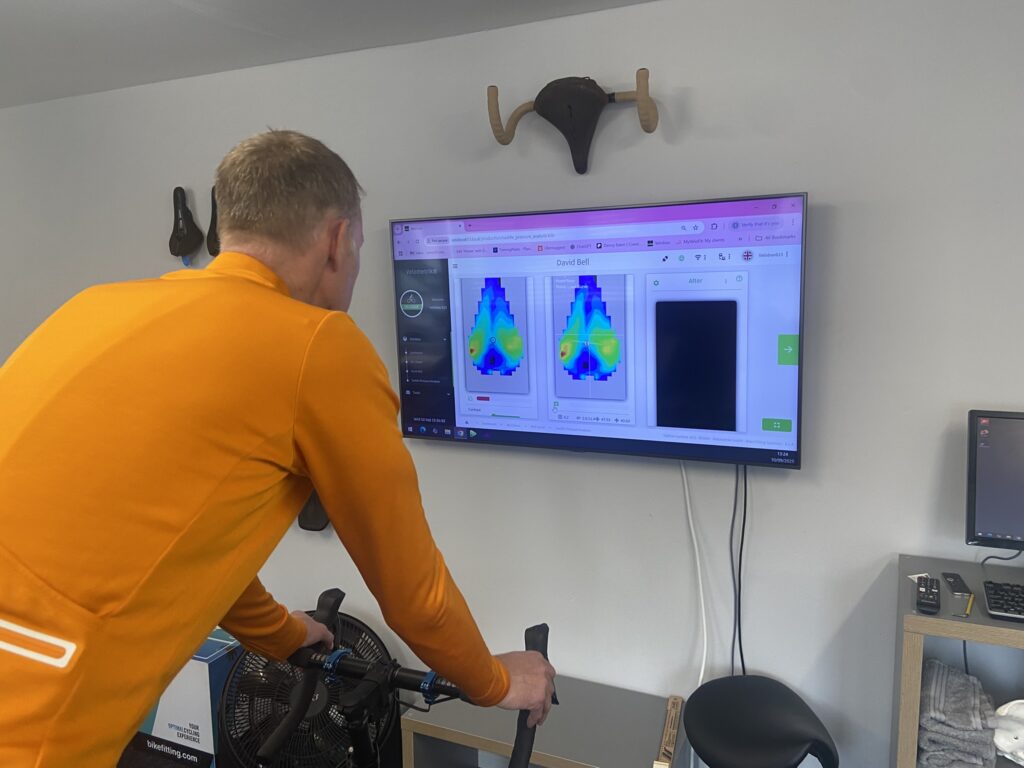
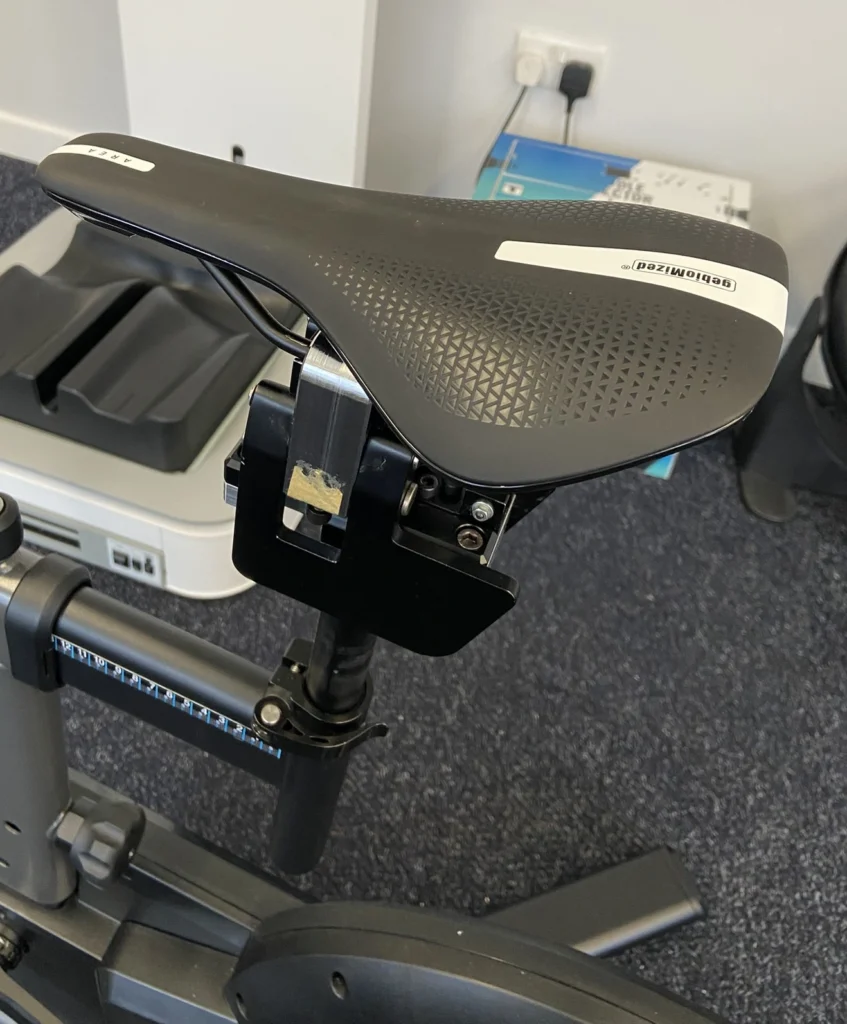
Pressure mapping systems are also used to assess saddle and foot pressure distribution. These systems use sensors to measure the pressure exerted on the saddle and pedals as you ride. The data collected helps in identifying any pressure points or imbalances that could lead to discomfort or injury. By analyzing this information, the fitter can recommend changes to the saddle, cleat positioning, or shoe inserts to improve your comfort and efficiency. The integration of these advanced tools and technology in bike fitting ensures a comprehensive and personalized approach to achieving your perfect ride.
Professional Bike Fit Services in Chichester
Chichester is home to several respected bike fit services for cyclists of all levels. At the heart of these is Bike Fit Labs, a friendly and professional IBFI certified service dedicated to making every ride more comfortable and efficient.
Bike Fit Labs offers a full, personalised approach to bike fitting, tailoring every adjustment to your body, riding style, and goals. Their experienced fitters use advanced tools and techniques to ensure your bike works for you, not against you.
By choosing Bike Fit Labs or another trusted service in Chichester, you can ensure your bike is set up for comfort, efficiency, and better performance.
Find out more about our Bike Fitting in CHichester services here
DIY Bike Fit Tips for Cyclists
While professional bike fitting services offer the most accurate and personalized results, there are several DIY tips that can help you achieve a better fit at home. One of the simplest adjustments you can make is to your saddle height. A quick method to find a rough estimate of your saddle height is to stand next to your bike and position the saddle at hip height. When seated, your leg should have a slight bend at the knee when the pedal is at its lowest point. Fine-tuning this height can help you find a comfortable and efficient pedaling position.
Another important adjustment is the saddle fore-aft position. To determine the correct position, sit on your bike and place the pedals in a horizontal position. Your forward knee should be directly over the pedal spindle. If your knee is too far forward or backward, adjust the saddle accordingly. This alignment helps in distributing your weight evenly and preventing unnecessary strain on your knees and lower back. Making small incremental changes and testing them during rides can help you find the optimal saddle position.
Handlebar adjustments are also crucial for a comfortable ride. Start by ensuring that the handlebars are level with or slightly below the saddle height. The reach should allow you to maintain a slight bend in your elbows when gripping the handlebars. If you find yourself stretching too far or feeling cramped, adjust the stem length or handlebar position. Additionally, consider the angle of the brake levers and shifters, ensuring they are within easy reach and comfortably angled. These DIY tips can help you achieve a better bike fit, enhancing your comfort and enjoyment on every ride.
How to Choose the Right Bike Based on Fit
Choosing the right bike is an essential step in achieving a proper fit, as the frame size and geometry play a significant role in your overall comfort and performance. When selecting a bike, start by determining the correct frame size based on your height and inseam measurements. Most bike manufacturers provide size charts that can guide you in selecting the appropriate frame size. However, it’s important to test ride different sizes to ensure that the bike feels comfortable and suits your body dimensions.
The geometry of the bike frame also influences your riding posture and comfort. Different types of bikes, such as road, mountain, and hybrid bikes, have varying geometries designed for specific riding styles. For example, road bikes typically have a more aggressive geometry with a lower handlebar position, promoting an aerodynamic posture. In contrast, hybrid bikes have a more relaxed geometry with an upright handlebar position, providing greater comfort for casual riding. Understanding the intended use and geometry of the bike can help you choose a model that aligns with your riding preferences and needs.
Additionally, consider the adjustability of the bike components when choosing a bike. Look for features such as adjustable stems, seat posts, and handlebars that allow you to fine-tune the fit to your body. Bikes with a wide range of adjustability can accommodate future changes in your riding style or flexibility. Investing in a bike that offers both the right frame size and adjustable components ensures that you can achieve a personalized and comfortable fit, enhancing your cycling experience in Chichester.
Maintaining Your Bike Fit Over Time
Achieving the perfect bike fit is not a one-time endeavor; it requires ongoing maintenance to ensure that your fit remains optimal as your body and riding habits change over time. Regularly assessing your bike fit is crucial, especially if you notice any discomfort or changes in your riding performance. Factors such as changes in flexibility, strength, and weight can affect your fit, requiring adjustments to maintain comfort and efficiency.
One way to maintain your bike fit is to conduct periodic self-checks. Pay attention to any signs of discomfort, such as knee pain, back strain, or numbness in the hands and feet. These symptoms can indicate that your bike fit needs adjustment. Use the DIY tips mentioned earlier to make small changes and test the results during your rides. Keeping a log of any adjustments and their impact on your comfort can help you track and fine-tune your fit over time.
Additionally, consider scheduling regular bike fit assessments with a professional fitter. A professional can provide a more detailed analysis of your biomechanics and make precise adjustments to your bike. They can also offer valuable insights and recommendations based on your riding goals and physical condition. By maintaining your bike fit through regular assessments and adjustments, you can continue to enjoy a comfortable and efficient ride, making the most of your cycling adventures in Chichester.
Conclusion: Achieving Your Ideal Cycling Experience
In conclusion, finding the perfect bike fit is essential for achieving your ideal cycling experience. By understanding the importance of bike fit and addressing common issues, you can enhance your comfort, performance, and enjoyment on every ride. Whether you choose to seek professional bike fit services in Chichester or follow DIY tips at home, the key is to ensure that your bike is tailored to your unique body dimensions and riding style.
Investing in a proper bike fit not only prevents discomfort and injury but also allows you to ride longer distances with greater efficiency. The use of advanced tools and technology in bike fitting has made the process more accurate and personalized, ensuring that every aspect of your ride is optimized. By choosing the right bike based on fit and maintaining your fit over time, you can continue to enjoy the scenic routes and charming streets of Chichester in comfort and style.
So, gear up and embark on your cycling journey with confidence, knowing that your bike is perfectly fitted to your body. Say goodbye to discomfort and hello to endless adventures as you pedal through the picturesque landscapes of Chichester. With the ultimate guide to bike fit, you’re now equipped with the knowledge and tools to find your perfect ride and achieve a truly fulfilling cycling experience.